Shifting Dynamics of Bonus Structures and Their Influence on Player Behavior in Regulated British Gaming Markets
Written by Katja Lehmann · Aug 31, 2026
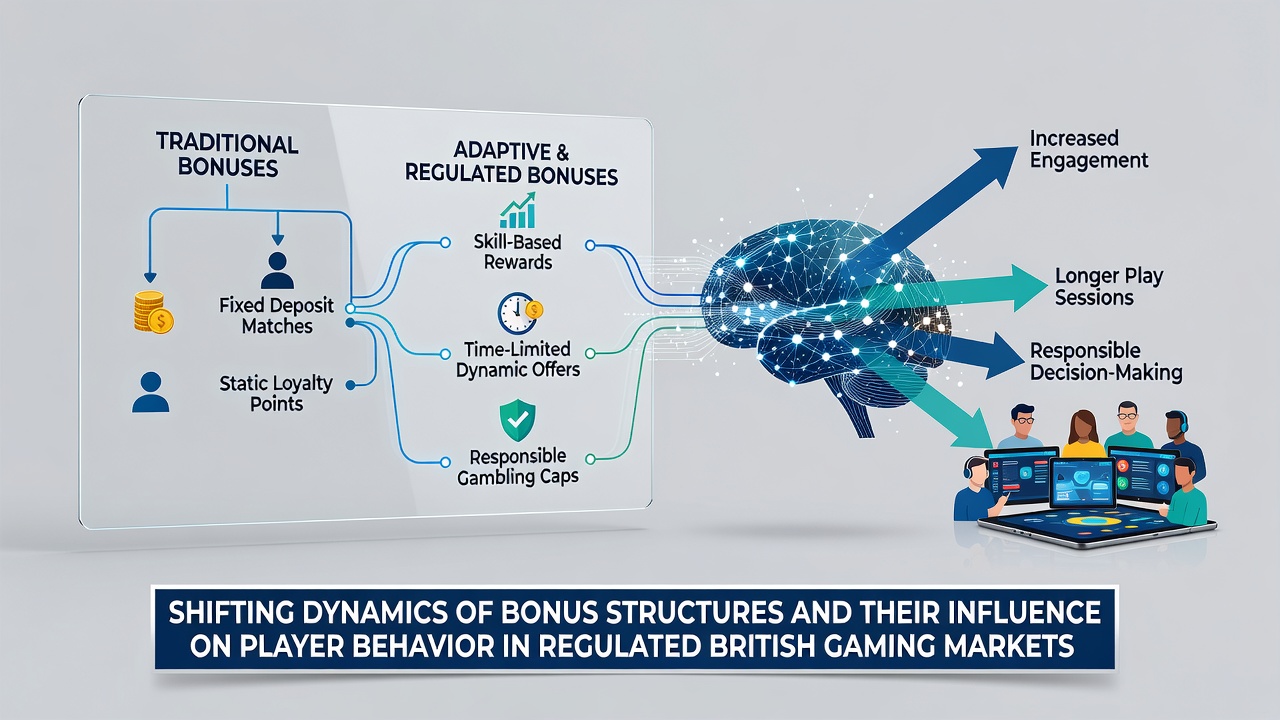
Shifting Dynamics of Bonus Structures and Their Influence on Player Behavior in Regulated British Gaming Markets
Regulated British gaming markets have seen bonus structures evolve from simple deposit matches toward layered incentive models that tie rewards to specific wagering patterns and time-based conditions, and operators adjust these offerings to align with licensing requirements while data from industry reports shows corresponding shifts in how players allocate their time and funds across platforms. Researchers at academic institutions have tracked these changes through longitudinal studies that compare participation rates before and after modifications to bonus terms, and the results indicate measurable differences in session lengths and deposit frequencies among different demographic groups.
Regulatory Pressures Reshaping Bonus Design
Licensing protocols in Britain require operators to publish clear terms for all promotional offers, which has prompted companies to replace vague reward schemes with structured cashback allocations and tiered loyalty points that accumulate only after verified play milestones, and these adjustments coincide with similar regulatory tightening observed in other jurisdictions such as those overseen by iGaming Ontario where bonus caps now limit maximum redeemable amounts per calendar month. iGaming Ontario reports document parallel trends where players respond to capped structures by spreading activity across multiple operators rather than concentrating deposits with a single brand.
Observed Changes in Player Engagement Metrics
Studies conducted by independent research bodies reveal that players in British markets tend to extend their activity periods when bonuses include progressive multipliers that unlock additional free spins after initial wagering thresholds are met, whereas flat-rate offers produce shorter engagement windows followed by rapid withdrawal of remaining balances. Data compiled across several licensed sites shows an increase in multi-account usage patterns among users seeking to maximize separate welcome packages, and this behavior aligns with findings from the Australian Gambling Research Centre that examined cross-border player migration following the introduction of stricter bonus transparency rules. Australian regulatory summaries note similar migration effects when operators introduce time-limited promotions that expire within thirty days of account registration.
Behavioral Responses to Tiered and Cashback Models
Operators in Britain have expanded cashback programs that return a percentage of net losses on a weekly basis provided players meet minimum activity thresholds, and observers note that these programs correlate with steadier deposit patterns compared to one-off sign-up bonuses that previously drove spikes followed by abrupt drop-offs. University-led analyses of anonymized transaction data indicate that participants in cashback schemes maintain consistent weekly spend levels while reducing the size of individual deposits, which spreads risk across more sessions and alters the overall distribution of gaming activity throughout the month. In August 2026 several operators introduced hybrid models combining cashback with loyalty tiers that reset quarterly, and preliminary figures from platform analytics suggest these changes have moderated the concentration of play into single extended sessions.
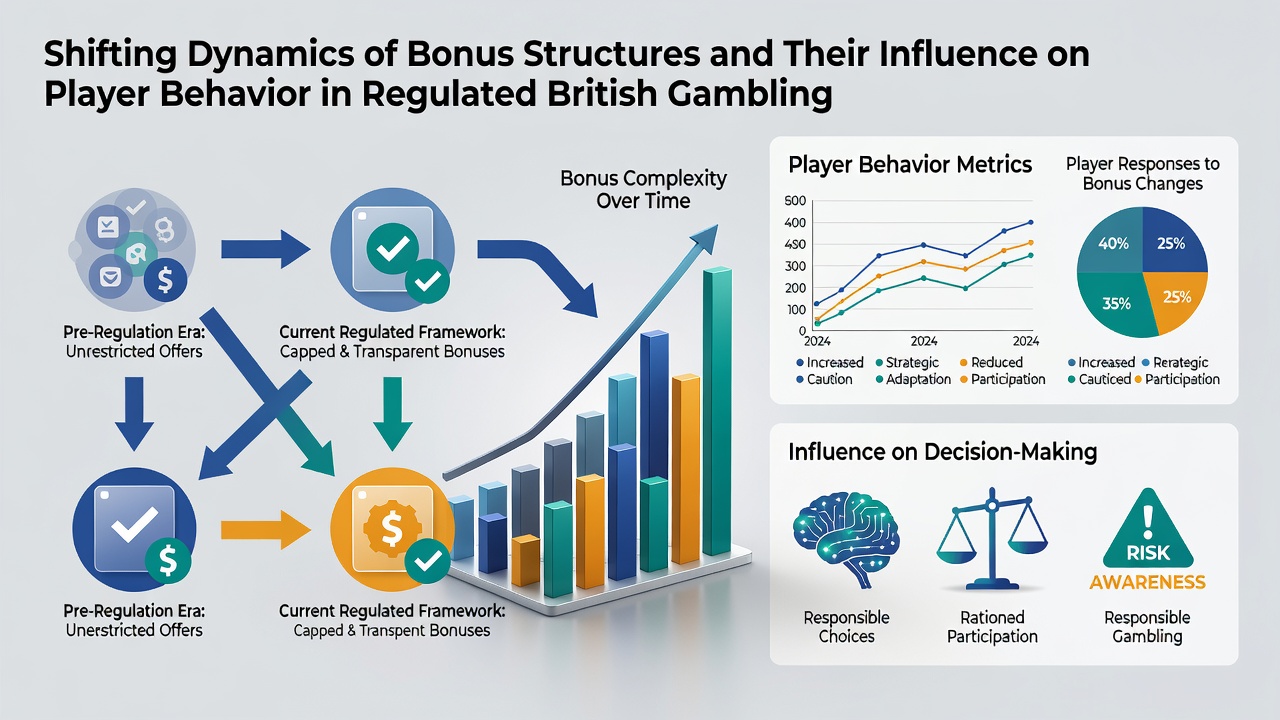
Take one operator that restructured its bonus system to require a minimum number of qualifying bets before cashback activates, and the resulting data showed players increasing the variety of game types they tried in order to meet the criteria rather than repeating the same slots. Those who've examined these patterns across multiple sites report that the introduction of game-category restrictions within bonus terms has led some users to explore table games and live dealer options they previously ignored, while others simply bypass restricted promotions entirely by focusing on non-bonus play.
Comparative Effects Across Different Player Segments
Segmentation studies divide British gaming participants into high-frequency and occasional categories, and evidence suggests that occasional players respond more strongly to time-limited free spin bundles whereas high-frequency users show greater retention under ongoing cashback arrangements that reward cumulative spend. Research teams tracking account-level metrics have documented that younger adult cohorts exhibit higher rates of account switching when bonus terms change, while older cohorts demonstrate steadier loyalty once a cashback threshold is established and understood. These differences appear in aggregated reports released by European gaming associations that compare data sets from Britain with parallel markets in Malta and the Netherlands, highlighting how bonus complexity influences the speed at which players adopt or abandon specific platforms.
Conclusion
Bonus structures in regulated British gaming markets continue to adapt in response to licensing expectations and observed player responses, and the resulting changes produce measurable shifts in engagement duration, deposit timing, and game selection across different user groups. Operators track these outcomes through internal analytics while external research groups compile comparative data that places British trends alongside developments in Canada and Australia, and the combined information provides a clearer picture of how promotional mechanics guide behavior without relying on subjective interpretation. Future updates to these structures will likely reflect ongoing data collection from the period surrounding August 2026, when several tier adjustments took effect simultaneously across multiple licensed entities.