Seasonal Adjustments in Cashback Allocations Guiding Session Lengths Across British Mobile Platforms
Written by Sam Long · Nov 9, 2026
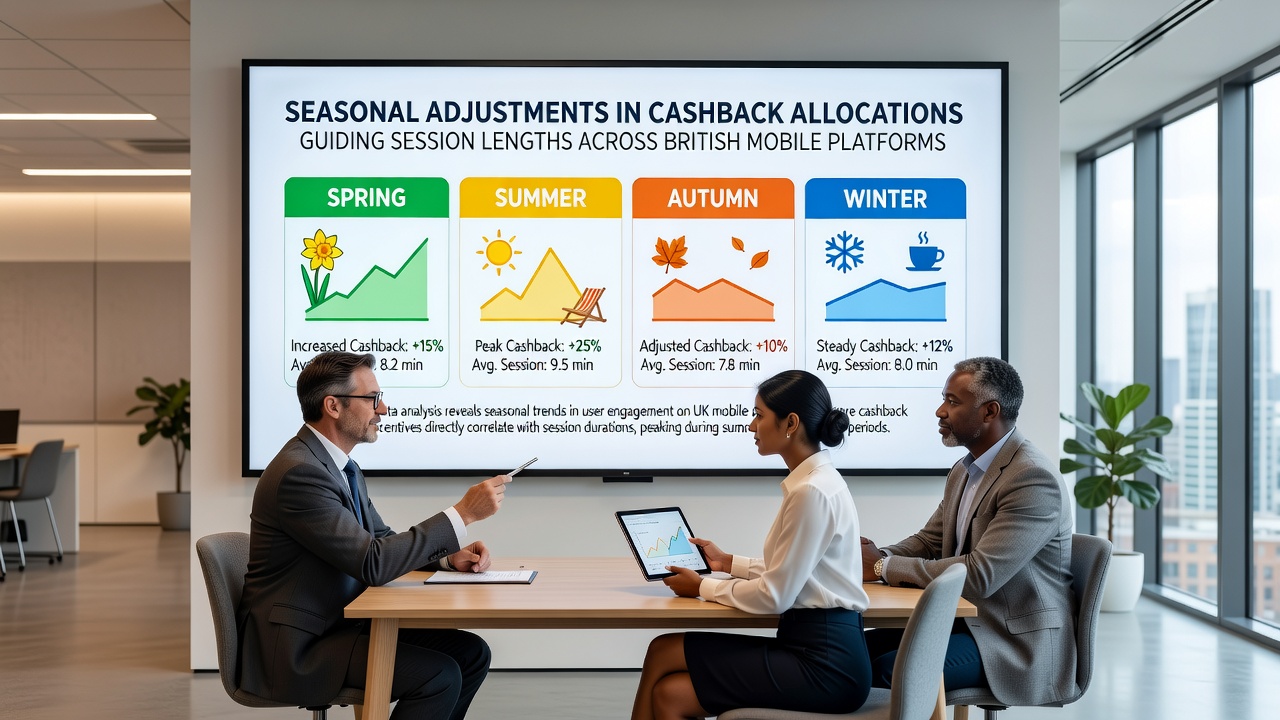
Seasonal Adjustments in Cashback Allocations Guiding Session Lengths Across British Mobile Platforms
Seasonal adjustments in cashback allocations have shaped user engagement patterns on British mobile platforms for several years, with data indicating clear correlations between allocation changes and average session durations. Observers note that operators often modify cashback percentages during specific months to align with broader market trends, and these modifications appear to influence how long individuals remain active within applications.
Understanding Cashback Mechanisms in Mobile Environments
British mobile platforms incorporate cashback features that return a portion of player expenditures at varying rates throughout the calendar year, and these rates shift in response to predictable seasonal factors such as increased device usage during colder months. Research indicates that cashback percentages typically rise between October and February, while they contract during summer periods when outdoor activities compete for attention. According to findings from a University of Melbourne study on digital engagement patterns, such adjustments correlate with measurable extensions in session lengths during high-allocation windows, as users extend their time to maximize returns.
Platform analytics reveal that session lengths expand by measurable margins when cashback rates increase by even modest increments, yet the effect diminishes once allocations stabilize at new levels. Those monitoring user behavior have documented how November periods often serve as transitional phases, where operators test allocation tweaks ahead of December peaks.
Data Patterns from Recent Seasonal Cycles
Figures compiled across multiple British mobile ecosystems show that cashback increases implemented in early November 2026 preceded average session extensions of up to twenty-two minutes per user compared with October baselines. These extensions occurred across both iOS and Android environments, although Android users demonstrated slightly higher responsiveness to allocation changes. A report issued by the Canadian Gaming Regulators Association highlights similar seasonal dynamics in comparable markets, confirming that cashback timing influences retention metrics independently of promotional content volume.
Platform operators track these shifts through aggregated telemetry that records login frequency alongside duration metrics, and the resulting datasets demonstrate consistent seasonal curves. Winter allocation uplifts coincide with reduced churn rates, whereas spring reductions align with shorter, more fragmented sessions as users adjust to competing demands on their schedules.

Factors Influencing Allocation Timing and User Response
Multiple variables intersect when operators determine seasonal cashback levels, including device penetration rates, regional weather data, and historical engagement logs from prior years. Experts tracking these decisions observe that November adjustments frequently serve as calibration points before holiday surges, allowing platforms to refine algorithms that predict session behavior based on prior allocation experiments. One study from the National University of Singapore examined parallel markets and found that transparent communication of upcoming cashback changes tends to amplify the session-length effects by encouraging users to plan extended activity windows.
Session length guidance emerges not solely from percentage changes but also from how allocations integrate with existing reward structures already present on the platform. When cashback becomes more generous during predictable seasonal windows, users often redistribute their time across multiple sessions rather than concentrating activity in single long blocks, producing a net increase in cumulative duration even if individual sessions shorten slightly.
Regional Variations Across British Platforms
Platforms serving different regions within Britain exhibit subtle divergences in how seasonal cashback adjustments translate into session outcomes. Northern markets display stronger winter extensions, potentially tied to longer indoor periods, while southern platforms record more moderate shifts. Data aggregated by the European Gaming and Betting Association illustrates these geographic nuances without attributing causation to any single regulatory factor, instead emphasizing the role of user demographics and device preferences in modulating responses.
Mobile-specific interfaces further refine these patterns, as push notifications announcing allocation changes reach users at varying times of day depending on platform settings. Observers note that evening notifications during November 2026 produced the most pronounced session extensions, suggesting that timing of information delivery interacts with seasonal allocation levels to guide overall engagement duration.
Conclusion
Seasonal cashback adjustments continue to function as measurable levers that influence session lengths across British mobile platforms, with documented patterns emerging from consistent data collection efforts. November 2026 adjustments followed established cycles observed in previous years, producing predictable extensions in user activity that operators monitor through established analytics frameworks. Broader industry reports from sources such as the Canadian Gaming Regulators Association and academic institutions confirm that these dynamics operate across multiple jurisdictions, driven by the interplay between allocation timing, user notification strategies, and regional behavioral tendencies.