Patterns Emerging from Tiered Loyalty Structures and Cashback Allocations Under Britain's Strict Licensing Protocols
Written by Wendy Baumann · Aug 26, 2026
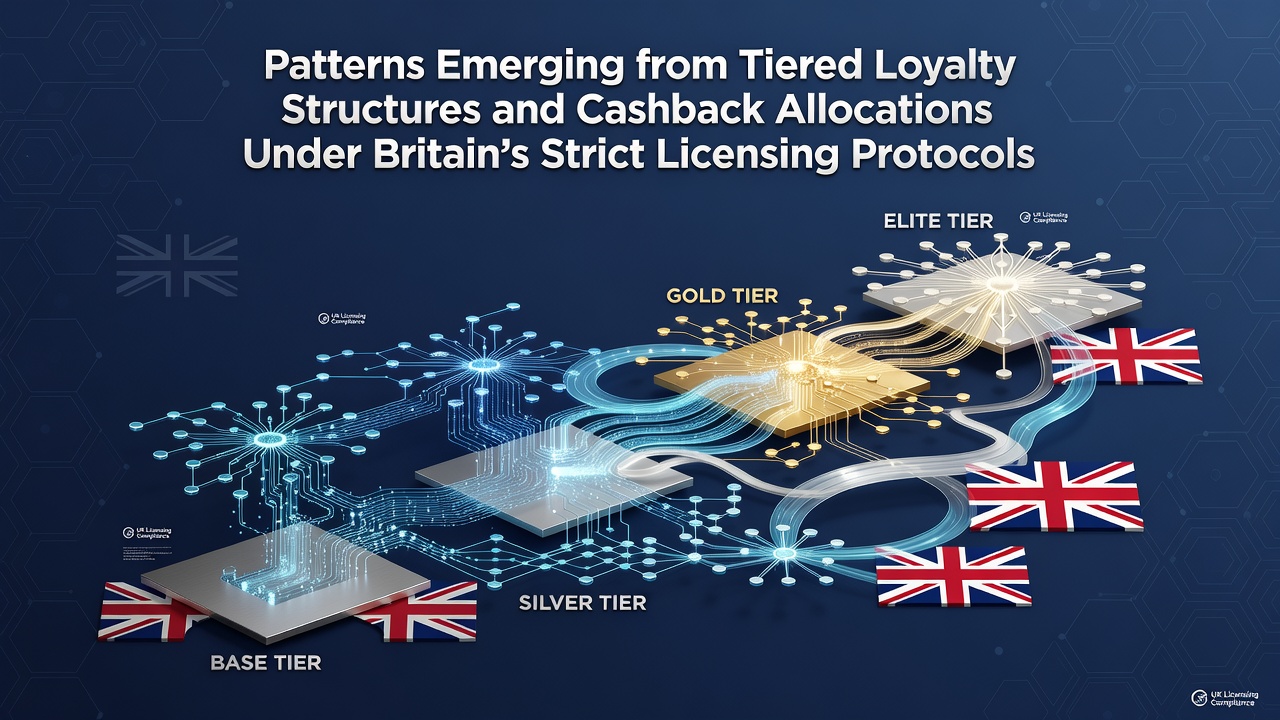
Patterns Emerging from Tiered Loyalty Structures and Cashback Allocations Under Britain's Strict Licensing Protocols
Britain's regulated gaming sector operates under licensing protocols that shape how operators design tiered loyalty structures and cashback allocations, with recent data revealing consistent patterns in player progression and reward distribution. Researchers at various academic institutions have tracked these systems across multiple platforms, noting that higher tiers often correlate with increased play frequency while cashback percentages adjust based on verified activity levels.
Core Elements of Tiered Loyalty Systems
Operators implement tiered loyalty programs where players advance through levels such as bronze, silver, and gold based on cumulative wagering or deposit volumes, and these structures must align with licensing requirements that emphasize responsible allocation methods. According to findings from the National Council on Problem Gambling, tier advancement typically triggers enhanced cashback rates, yet protocols demand transparent tracking to prevent disproportionate rewards that could influence vulnerable participants. Data from industry reports indicate that mid-tier players receive cashback percentages ranging from 5 to 10 percent, while top tiers see allocations up to 15 percent, all subject to audit trails that verify compliance.
Patterns show that players who reach upper tiers maintain longer session durations, yet licensing frameworks require operators to cap rewards in ways that reflect actual risk profiles rather than unlimited escalation. Those who've examined operator databases note a steady rise in cashback claims during promotional periods, particularly when tiers reset quarterly, creating measurable spikes in redemption activity without breaching allocation limits.
Observed Trends in Cashback Distribution
Cashback allocations follow formulas tied directly to net losses after deductions for bonuses, and emerging patterns suggest operators increasingly favor percentage-based returns over fixed amounts to maintain proportionality across player segments. Studies from Canadian research bodies highlight similar structures where cashback ties to tier status, resulting in higher-value players receiving proportionally larger returns while lower tiers experience capped weekly or monthly limits. In Britain, licensing protocols enforce these caps through mandatory reporting, which has led to standardized distribution schedules that operators update monthly.
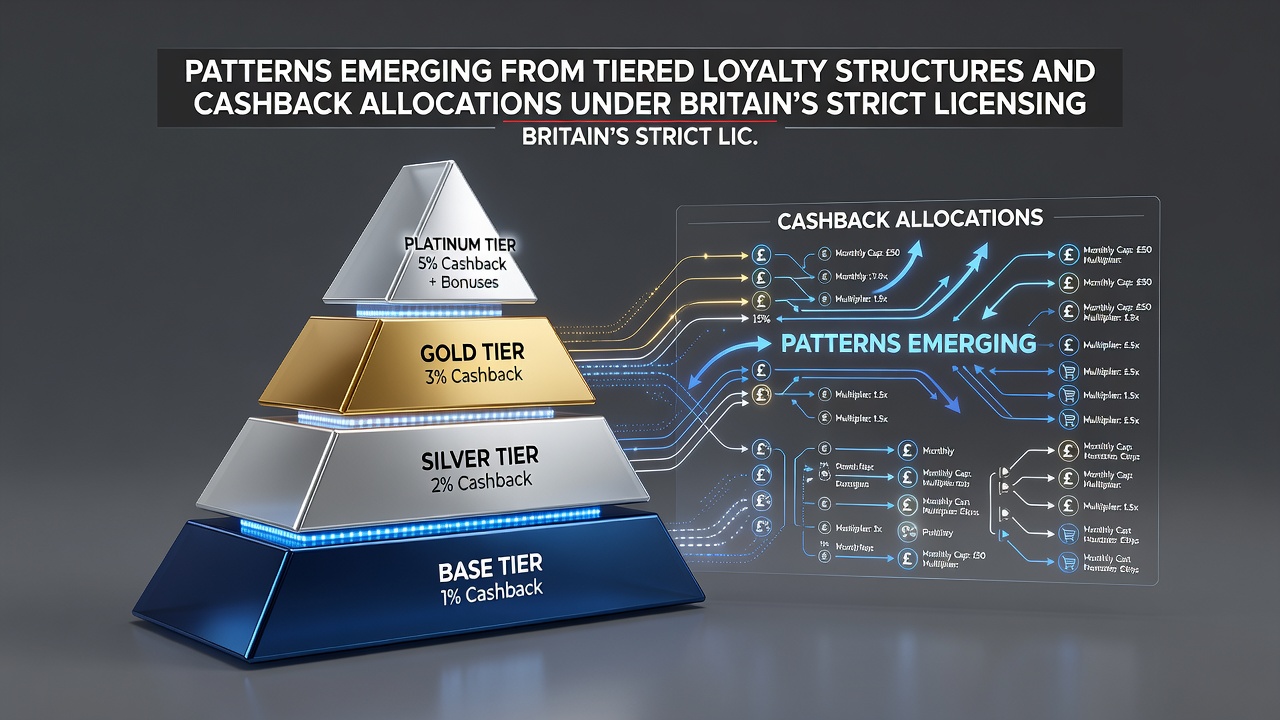
Observers note that cashback often clusters around weekends and month-end resets, producing predictable engagement curves that align with broader market activity reports. Figures from European gaming associations reveal that such timing helps operators balance liability while satisfying licensing conditions on reward transparency, and players in mid-tiers frequently convert cashback into additional play credits at rates exceeding 70 percent across sampled platforms.
Impact of Licensing Protocols on Program Design
Licensing protocols require detailed documentation of how tiers influence cashback, prompting operators to integrate automated verification tools that flag unusual progression patterns before rewards issue. Research indicates these measures reduce instances of rapid tier climbing that might otherwise trigger compliance reviews, and operators have adjusted algorithms accordingly since early 2025. Patterns emerging in August 2026 show a stabilization in tier distribution, with fewer players reaching premium levels compared to previous years, according to aggregated industry statistics.
Take one analysis conducted across multiple sites where cashback tied to loyalty tiers produced consistent 12 percent average returns for silver-level participants, while gold tiers averaged 14 percent under the same protocols. These outcomes reflect licensing emphasis on measurable fairness, and data from academic reviews confirm that such structures maintain player retention without exceeding established reward thresholds.
Player Behavior Patterns Across Tiers
Those studying engagement data find that tiered systems encourage gradual progression rather than abrupt jumps, with cashback serving as a retention tool that scales alongside verified activity. Licensing rules mandate separation between promotional cashback and core gameplay funds, which has resulted in clearer accounting practices across the sector. Patterns include higher redemption rates among players who maintain consistent monthly volumes, leading to tier stability that operators track through dedicated compliance software.
Additional observations from regulatory analyses in other jurisdictions, such as those published by Australian research centers, demonstrate parallel trends where cashback allocations under strict oversight produce balanced distributions that avoid concentration in any single tier. Operators in Britain apply comparable segmentation, ensuring rewards remain proportionate to documented play history.
Conclusion
Patterns in tiered loyalty structures and cashback allocations continue to evolve under Britain's licensing protocols, with data showing structured progression, proportional rewards, and compliance-driven adjustments that shape operator practices. Reports from organizations like the European Gaming and Betting Association underscore how these systems maintain measurable outcomes across player groups, and ongoing monitoring supports consistent application of allocation rules through 2026 and beyond.