Mapping Sequential Reward Triggers to Navigation Patterns in Britain's Mobile Gaming Ecosystems
Written by Katja Lehmann · Oct 12, 2026
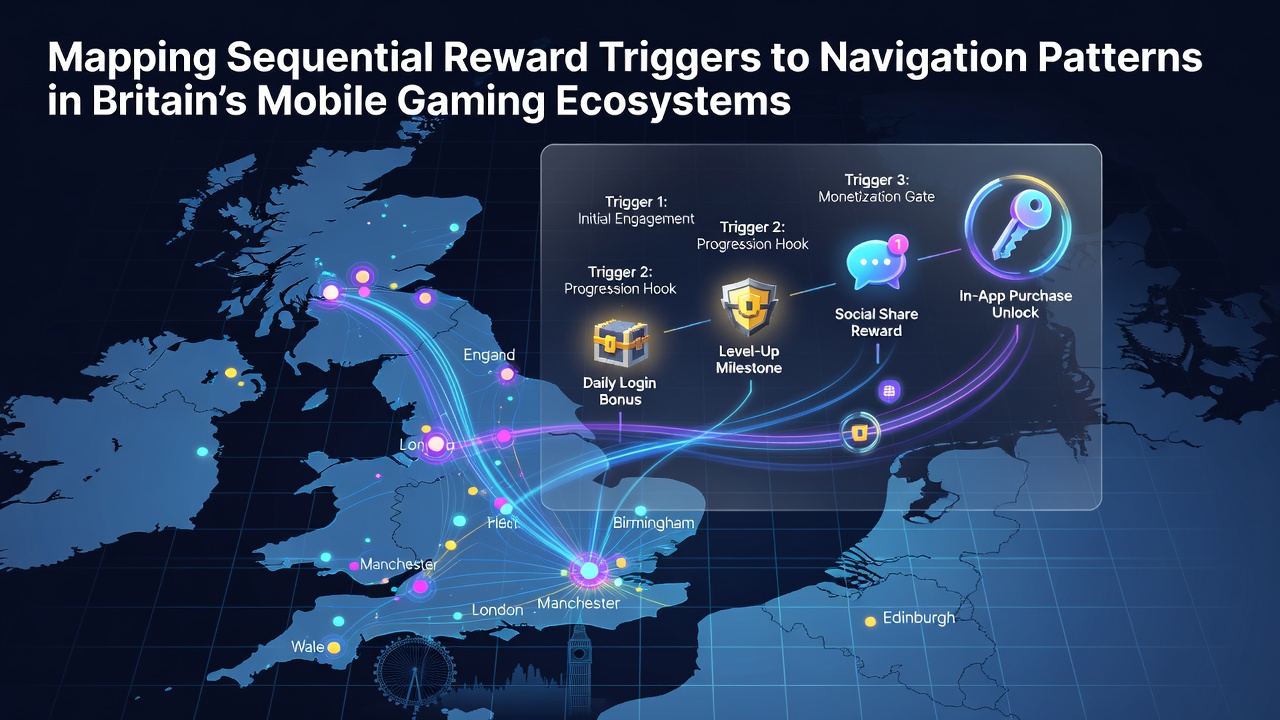
Mapping Sequential Reward Triggers to Navigation Patterns in Britain's Mobile Gaming Ecosystems
Sequential reward triggers in Britain's mobile gaming ecosystems operate through timed prompts that activate after specific user actions, and these prompts direct players along defined paths within apps while analytics systems record each transition from menu to feature and back again. Data from platform operators shows that players typically encounter an initial trigger within the first two minutes of a session, after which navigation shifts toward reward claim screens before returning to core game interfaces. Researchers at several academic institutions have documented how these sequences create measurable loops, where each completed trigger correlates with increased time spent on particular tabs or sections.
Core Components of Reward Trigger Sequences
Trigger mechanisms consist of layered elements including free spin allocations, loyalty point multipliers, and session-based bonuses that activate in order, and each layer builds on the previous one to sustain engagement across multiple screens. Observers note that the first trigger often appears as a pop-up notification tied to login activity, while subsequent ones link directly to in-game achievements such as completing a set number of spins or reaching a score threshold. Studies from European research groups indicate that these ordered activations produce distinct navigation signatures, with players moving predictably between the lobby, game lobby, and account sections in repeatable patterns.
Navigation tracking tools capture swipe gestures, tap locations, and dwell times on each page, and this information allows developers to map how reward sequences alter default user flows. For instance, a player who receives a loyalty multiplier after five consecutive plays tends to navigate back to the rewards dashboard rather than exiting the app, a behavior confirmed in aggregated session data collected through October 2026. Industry reports from bodies such as the European Gaming and Betting Association highlight similar patterns across regulated markets, where sequential triggers reduce drop-off rates at certain navigation points.
Data Collection Methods and Pattern Identification
Analytics platforms employed by British operators combine heat mapping with event logging to identify sequences, and these methods reveal clusters of activity around reward claim moments that then funnel users toward new game recommendations. Teams analyzing millions of sessions have found that navigation velocity increases immediately after a trigger fires, as players move quickly to redeem offers before resuming primary gameplay. One analysis conducted by university-affiliated labs demonstrated that certain trigger orders produce tighter navigation loops, with users cycling between three or four key screens rather than exploring broader menus.
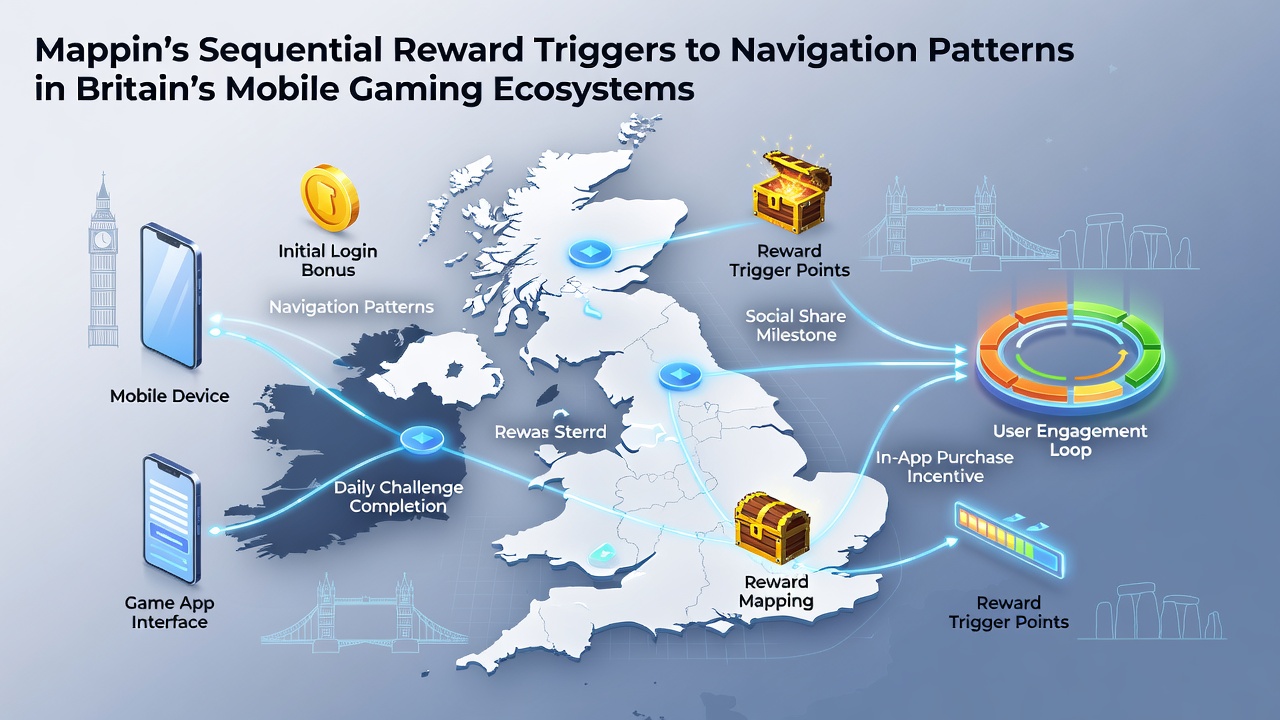
Geographic variations appear in the data as well, with sessions originating from urban areas showing faster transitions between triggers compared to those from rural connections, although overall sequence completion rates remain consistent across regions. External sources including reports from the American Gaming Association provide comparative benchmarks that underscore how Britain's regulated environment shapes these mappings differently from less structured markets. Pattern recognition algorithms process the raw logs to generate flow diagrams, and these diagrams illustrate clear cause-and-effect relationships between specific reward steps and subsequent screen visits.
Integration with Broader Ecosystem Dynamics
Mobile gaming ecosystems in Britain incorporate multiple platforms that share user data across devices, and sequential triggers often span from phone to tablet sessions when accounts remain synchronized. This cross-device continuity extends navigation patterns, allowing a trigger initiated on one screen to influence routing on another without resetting the sequence. Evidence gathered through 2026 demonstrates that operators adjust trigger timing based on historical navigation data, shifting activation points to align with peak movement periods within apps.
Developers refine these systems through iterative testing, where A/B variations of trigger order reveal which arrangements produce the most stable navigation routes. Those who have examined the datasets observe that sequences incorporating progressive rewards maintain longer session chains, directing players through promotional content before returning them to core features. Regulatory frameworks require transparent logging of all such mappings, ensuring that navigation influenced by rewards stays within approved operational boundaries.
Conclusion
Mapping sequential reward triggers to navigation patterns supplies operators with precise insights into how ordered incentives steer user movement through Britain's mobile gaming applications, and continued analysis of session data supports ongoing refinement of these systems. The documented relationships between trigger activation and screen transitions offer a factual basis for understanding ecosystem behavior without reliance on interpretive assumptions. As platforms evolve, the core mappings remain grounded in measurable event sequences that connect rewards directly to navigation outcomes.