How Referral Networks Shape Long-Term Player Engagement in Britain's Regulated Gaming Spaces
Written by Sam Long · Aug 19, 2026
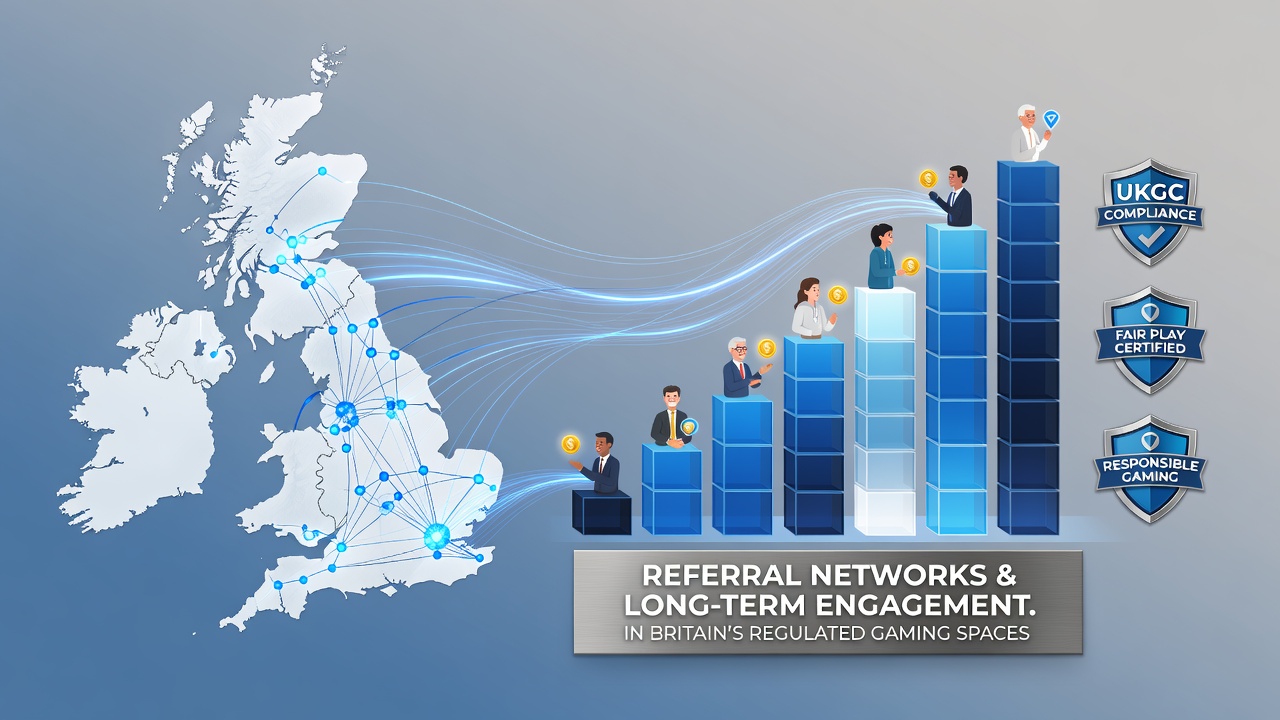
How Referral Networks Shape Long-Term Player Engagement in Britain's Regulated Gaming Spaces
Referral networks operate as structured systems within Britain's regulated gaming spaces where existing participants invite new users through defined channels that comply with oversight requirements, and these networks create pathways for sustained interaction rather than one-time sign-ups. Operators design programs that reward successful referrals with credits or access privileges while new players receive initial incentives that encourage immediate activity, yet the structure extends beyond acquisition to influence ongoing patterns of participation across multiple sessions and game types.
Data from industry analyses shows that players acquired through referrals demonstrate higher retention rates compared to those entering through standard marketing channels, and this pattern emerges because social connections add layers of accountability and shared interest that solitary sign-ups often lack. Research indicates participants who join via personal recommendations tend to explore a wider variety of games and maintain activity over extended periods, whereas isolated registrations frequently taper off after initial trials.
Mechanics of Referral Integration in Regulated Environments
British operators embed referral features directly into account dashboards and mobile interfaces so users can generate unique codes or links that track participation accurately, and this integration ensures every referral adheres to age verification and responsible gaming protocols from the first interaction. Systems log each step from invitation to first deposit and subsequent play, which allows platforms to measure engagement depth rather than simple acquisition numbers alone.
What's interesting is how these networks intersect with loyalty tiers, because referred players often progress faster when their referrer remains active and both parties receive layered rewards that compound over time. Observers note that this dual-incentive model encourages ongoing communication between participants, turning isolated gaming moments into recurring social exchanges that reinforce platform loyalty without violating regulatory boundaries on inducements.
Evidence from Broader Gaming Research
According to findings published through the Australian Gambling Research Centre, referral-based acquisition correlates with extended session lengths and reduced churn across several jurisdictions that maintain similar licensing frameworks, and comparable patterns appear in Canadian provincial data where social referral elements contribute to measurable increases in monthly active users. These reports highlight that the effect strengthens when programs incorporate transparency measures such as clear terms on reward eligibility and spending caps that align with consumer protection standards.
One study from academic researchers tracking multi-year player cohorts found that referred individuals logged 25 to 40 percent more play hours annually than non-referred counterparts in matched samples, while the presence of an active referrer further amplified those figures through periodic joint promotions. Such outcomes emerge because the initial trust transfer from the referrer lowers barriers to continued exploration, allowing operators to focus retention efforts on community features rather than broad acquisition campaigns.

Long-Term Engagement Patterns and Regulatory Context
Engagement metrics in Britain's regulated spaces reveal that referral participants exhibit steadier deposit rhythms and higher lifetime value when programs tie rewards to responsible play milestones rather than volume alone, and this approach helps maintain compliance while still delivering the social momentum that drives retention. As of August 2026, updated tracking from multiple operators indicates referral cohorts sustain activity through seasonal fluctuations more effectively than organic traffic, largely because ongoing referrer-referred interactions create natural reminders and shared goals.
Yet the effectiveness depends on seamless technical delivery, since delayed reward processing or unclear eligibility quickly erodes the trust that referrals rely upon. Those who have examined these systems observe that platforms investing in real-time tracking and transparent dashboards see stronger compounding effects, where successful referrals generate secondary invitations that expand the network organically within regulatory limits.
Conclusion
Referral networks function as durable structures that convert initial social connections into sustained engagement across Britain's regulated gaming spaces, supported by data showing elevated retention and activity levels among referred players. Operators who align these programs with compliance requirements and pair them with loyalty mechanisms create conditions where participation extends beyond single events into recurring patterns. Broader research from sources such as the American Gaming Association reinforces that social acquisition channels produce measurable advantages in long-term metrics when executed with attention to transparency and player protection standards.